
How to pack and move household plants
Plants are alive — they don’t pack like dishes. The truck is too dark, too hot or too cold, and the long-distance ride will kill most houseplants. The job is to make the trip survivable: lighten the pot, protect the leaves, and move them yourself.
 Watch the video
Get your supplies first
Plant prep starts two weeks out — the repotting has to happen before move day, not on it.
The plant-packing walkthrough
Our crews show you the two-week prep, how to wrap fronds in a paper cone without breaking them, and why every plant rides in your car — not in our truck. Long-haul trucks kill houseplants; this is how to keep yours alive.
Three steps, in order
Repot two weeks early. Bag and pad the day before. Drive the plants yourself.
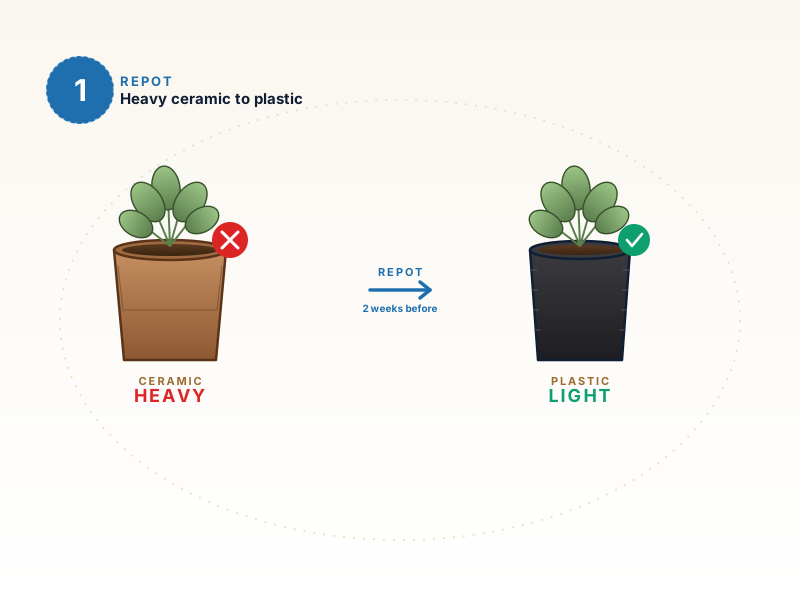
Move from heavy ceramic to lightweight plastic
Two weeks before the move, repot from the heavy clay or ceramic planter into a lightweight plastic pot of the same size. Less weight to carry, far less likely to break, and the plant has time to settle in before the trip.
- Two weeks of recovery time, minimum
- Same size pot, just lighter material
- Pack the original ceramic pot separately, in paper
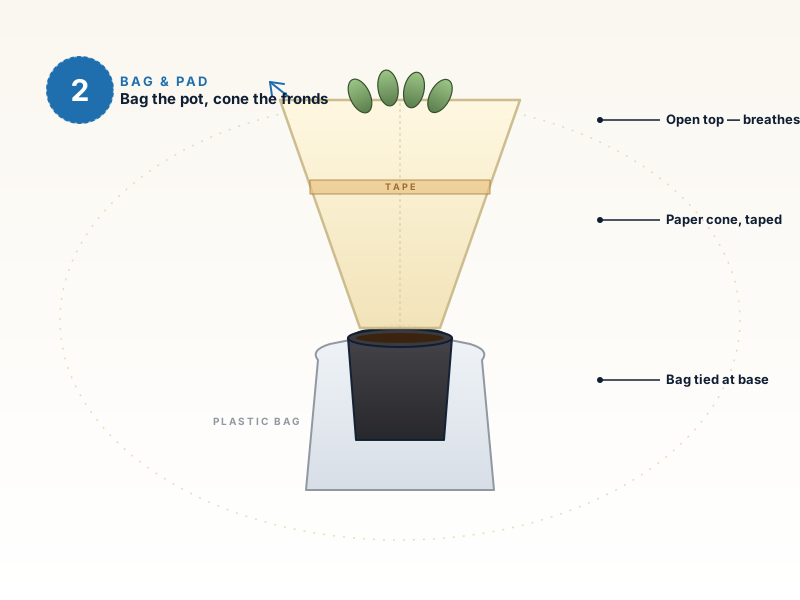
Bag the pot, cone the fronds
Slip a garden trash bag over the pot and tie it around the base of the plant — that contains the soil. Then loosely wrap the branches in a packing-paper cone, open at the top so the plant can still breathe. Tape the cone, not the plant.
- Bag the pot first — soil stays in
- Paper cone is loose, not tight
- Open the top of the cone for airflow
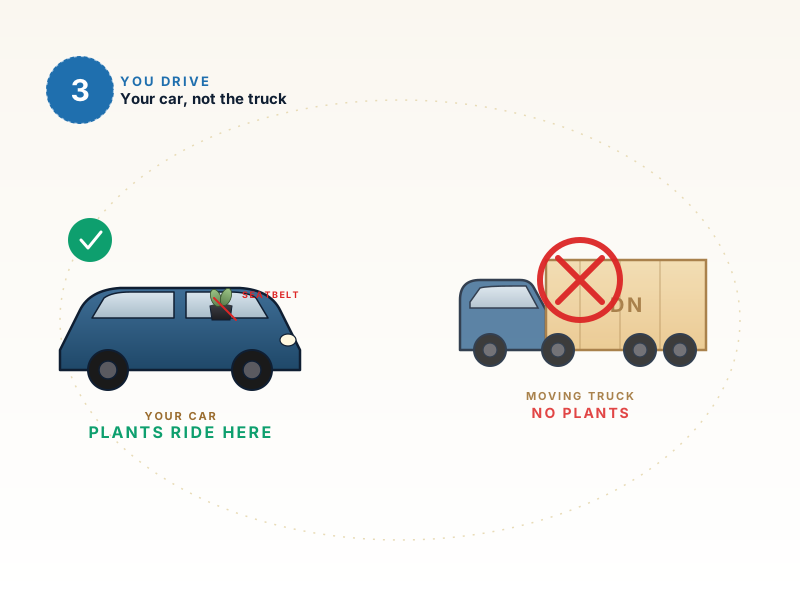
Plants ride with you, not in the truck
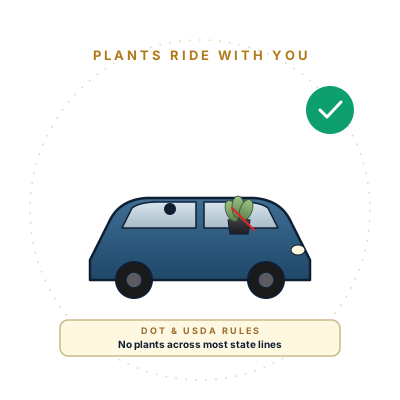
Plants go in your personal vehicle — ideally on the floor of the back seat, with a seatbelt around the pot to keep it upright. Long-distance interstate movers can’t legally carry plants across state lines anyway, and the back of the truck would kill most of them in 48 hours.
Plants ride with you
For long-distance moves, our crews cannot carry plants — that’s DOT and USDA rules across most state lines, not a preference. Plant in the back seat with a seatbelt around the pot. If the move is short and local, we can sometimes load them on the truck last and unload them first — ask the crew chief.
The mistakes we see most often
Three habits that send healthy plants to the compost pile by the time they reach the new house.
Heavy ceramic pots
Clay and ceramic are heavy and break easily. Repot to plastic two weeks before the move — you can repot back at the new house.
Sealing the box
A taped-shut box of plants is an airless oven. Leave the top open, or punch large holes — plants need to breathe in transit.
Sending them in the truck
Long-haul truck trailers are dark and run hot or cold. Forty-eight hours of that kills most houseplants. Drive them yourself.
Want us to handle the rest of the packing?
You drive the plants — we’ll handle everything else. Twenty-three years of clean, careful moves.