
How to pack pictures and mirrors for a move
A mirror in the wrong box is just glass and a frame waiting to break. Mirror cartons are a separate product — they telescope to fit any size, they’re rigid in all directions, and they’re shaped to keep the glass from any single point of impact. Use them every time.
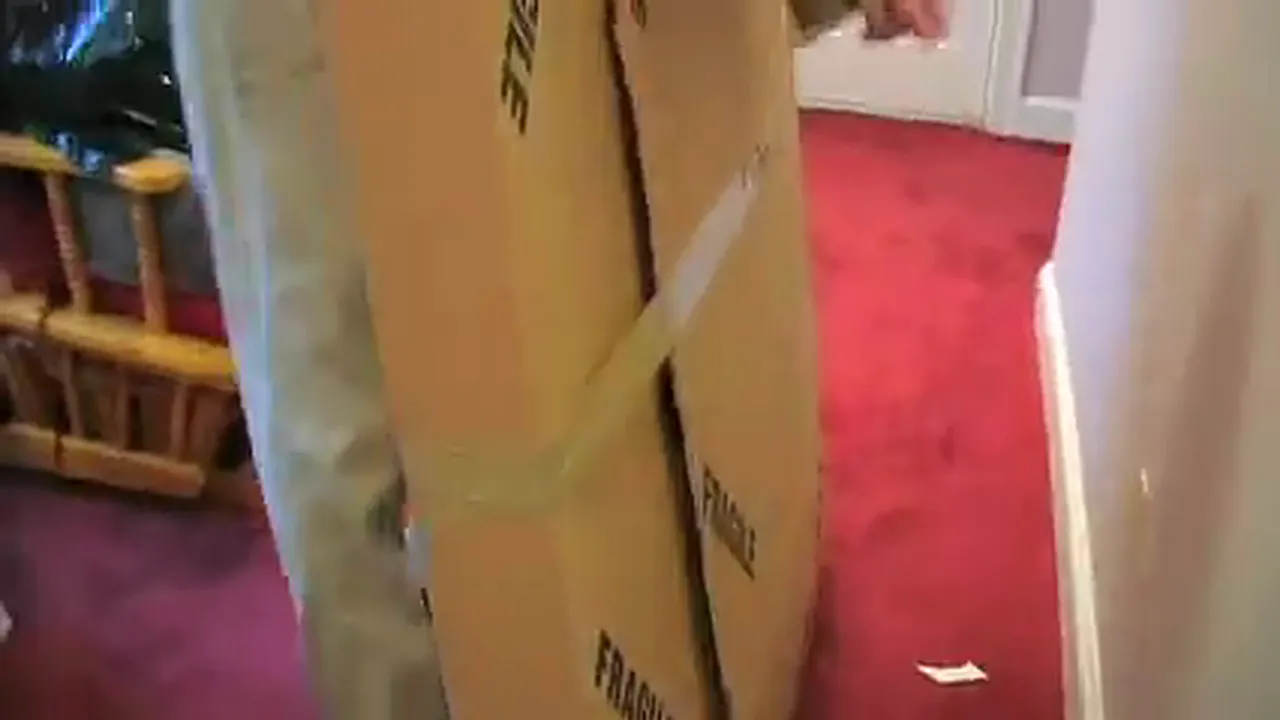 Watch the video
Get your supplies first
Mirror cartons aren’t the same as regular boxes. Pick them up at a moving supply store before you start.
The mirror & picture pack walkthrough
Mike Brown walks through a real mirror pack: how to size the carton, where the corner protectors go, why painter’s tape is the right tape for the glass, and how to confirm the wrap is snug before you seal the carton.
Four steps, in order
Measure first, get the right cartons, wrap the piece carefully, then snug the carton until nothing moves.
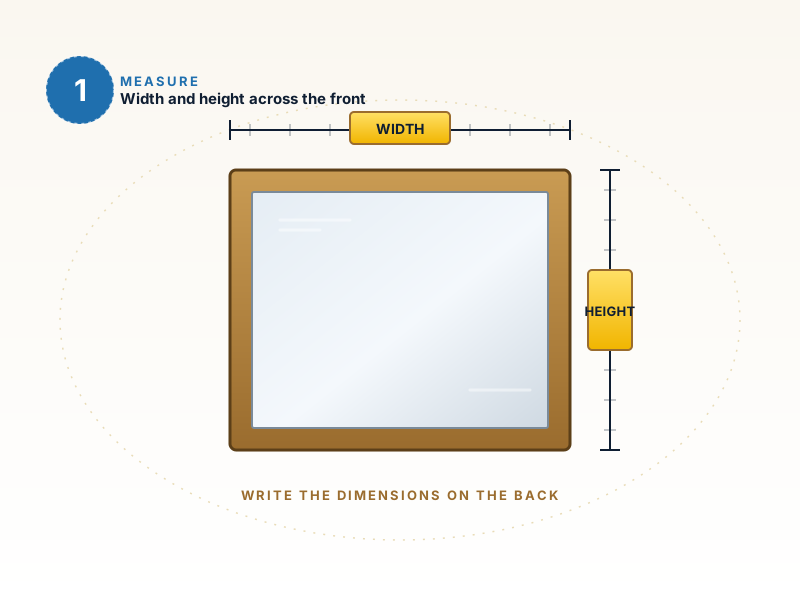
Tape-measure the width and height
Run a tape across the front of every mirror and framed picture — width and height. The mirror carton sticker tells you which carton size you need, and you don’t want to be guessing once you’re at the supply store.
- Measure across the longest dimension
- Note frame thickness if it’s a deep frame
- Write the dimensions on a sticky note on the back
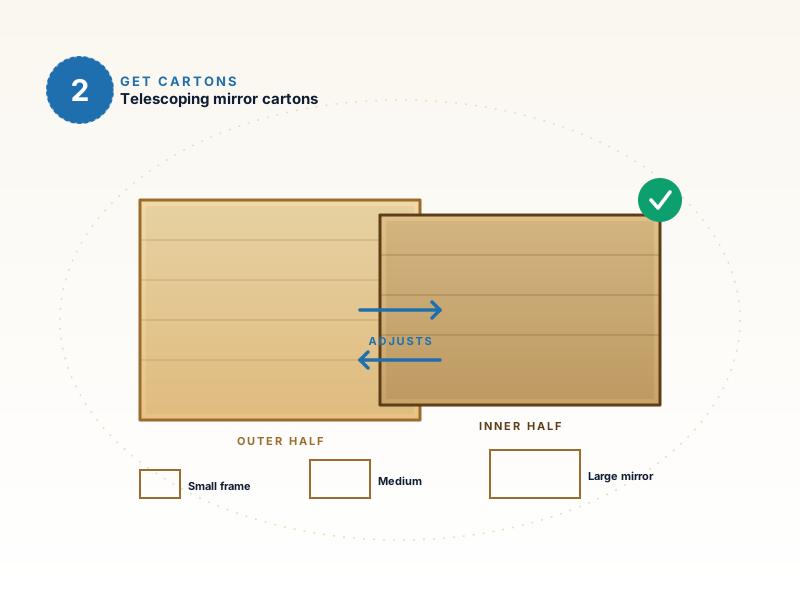
Pick up telescoping mirror cartons
Most homes need two to four mirror cartons for the gallery wall. Telescoping cartons collapse for storage and adjust to fit any size — you slide one half inside the other until the carton holds the piece firmly. One carton handles a wide range of sizes.
- Two to four cartons covers a typical gallery wall
- Telescoping = one size adjusts to fit many pieces
- Pick them up at a moving supply store, not a hardware store
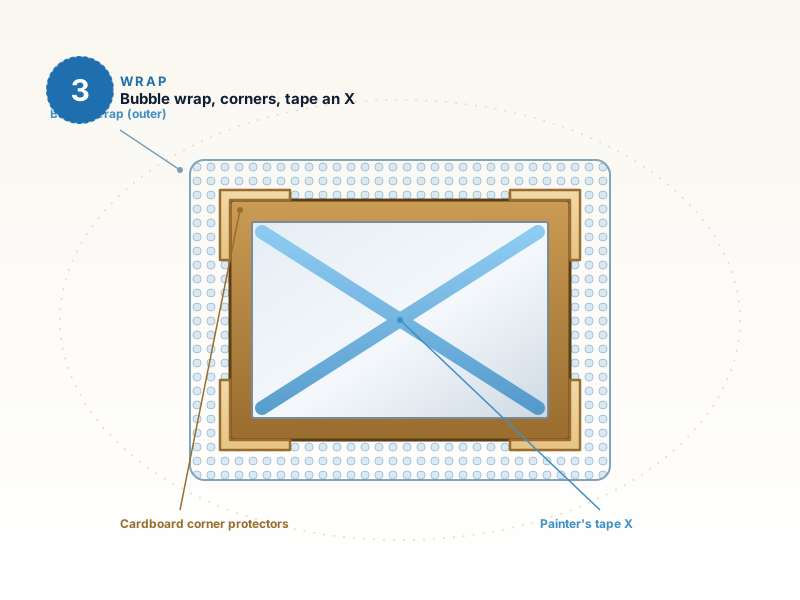
Bubble wrap, corners, then the X
Bubble wrap around the entire frame. Cardboard corner protectors on all four corners. Painter’s tape an X across the glass face — it doesn’t prevent breakage, but it contains the shards if anything goes wrong. Painter’s tape, not packing tape, so it lifts cleanly off the glass on the other end.
- Bubble wrap the whole frame, two layers if delicate
- Cardboard corner protectors on every corner
- Painter’s tape X across the glass face
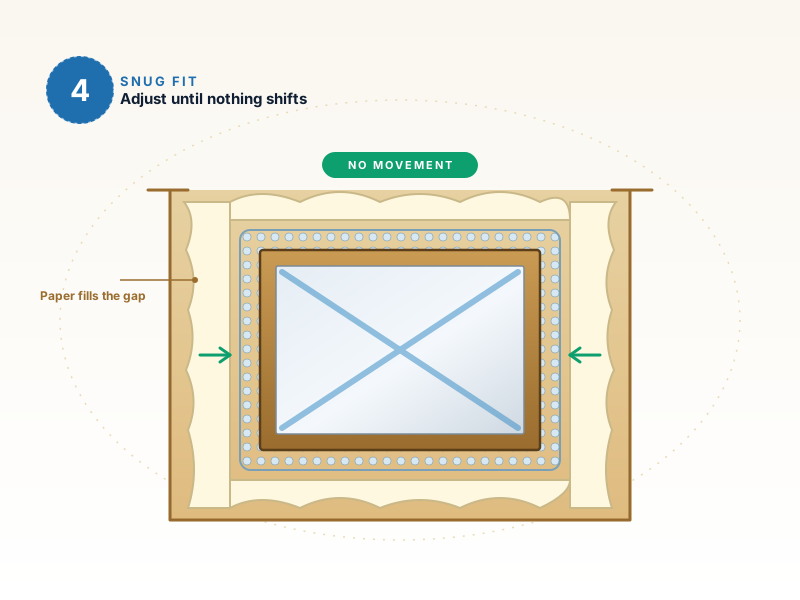
Adjust the carton until nothing shifts
The wrapped piece slides into the carton with paper filling any remaining gap. Adjust the telescoping carton until you have no movement when shaken. If you can hear or feel anything move, the piece will arrive with chipped corners or worse.

Tape the glass with an X
If the worst happens and the glass cracks in transit, the X-pattern of painter’s tape across the face holds the shards together — so you don’t get a snowstorm of glass shards when you open the carton at the new house. Painter’s tape lifts off without residue, so it’s the right tape for the glass.
The mistakes we see most often
Three habits that turn an easy mirror pack into a broken frame at the new house.
Using a regular box
Standard boxes flex. Glass doesn’t. A mirror in a regular dish or wardrobe box has nothing keeping the face rigid — one flex of the cardboard and the glass cracks.
Wrapping too loose
If the wrap is loose, the frame slides inside the carton and the corners chip from internal movement, not external impact. Tighter is better.
Stacking boxes on top
Mirror cartons are top-load only — nothing stacks on them. Mark them clearly so the truck loaders see it on every face.
Want us to handle the packing?
Our crews pack hundreds of mirrors and gallery walls a year. No cracked glass, no chipped frames — guaranteed.