
How to pack your kitchen the right way
Plates, glassware, pots, mugs — the kitchen is the most fragile and most cluttered room in the house. Here’s the same method our crew uses on every move.
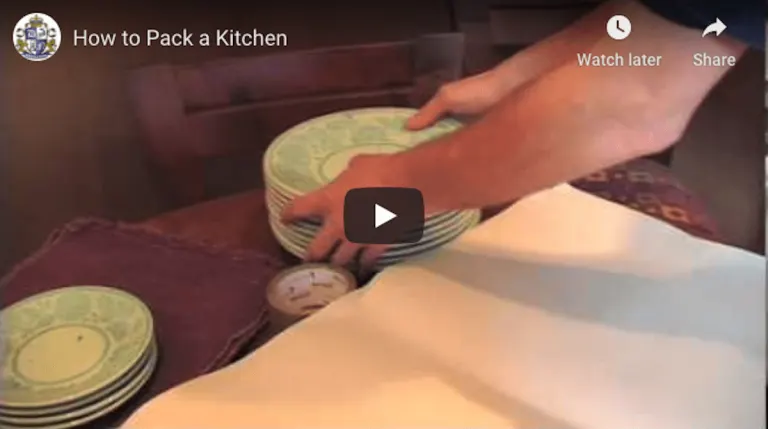 Watch the video
Get your supplies first
Don’t start packing until you have all six. Stopping mid-shelf to run for tape is how things break.
The 4-minute kitchen pack walkthrough
Mike Brown has packed somewhere north of 30,000 boxes over twenty-three years on the trucks. He’ll walk you through the egg theory, the right way to stack plates, and why we never lay stemware on its side.
Seven steps, in order
Work top-to-bottom in your kitchen and front-to-back in each box. Don’t skip the layer paper between heavy and fragile.

Pad the bottom of the box
Lay two sheets of crumpled packing paper flat, then a single sheet of bubble wrap on top. This absorbs road vibration and prevents the heaviest items from punching through the cardboard.
- Two layers minimum — paper, then bubble wrap
- Crumple the paper, don’t lay it flat
- Pad an inch and a half thick at the base

Stand plates on edge, never flat
Stack 5–8 plates with a sheet of paper between each, then turn the whole stack on its side and place it against the wall of the box. Plates handle vertical pressure poorly — on edge, they distribute force across the rim.
- 5–8 plates per stack, paper between each
- Two sheets between fine china or expensive sets
- Stand on edge, not flat in layers
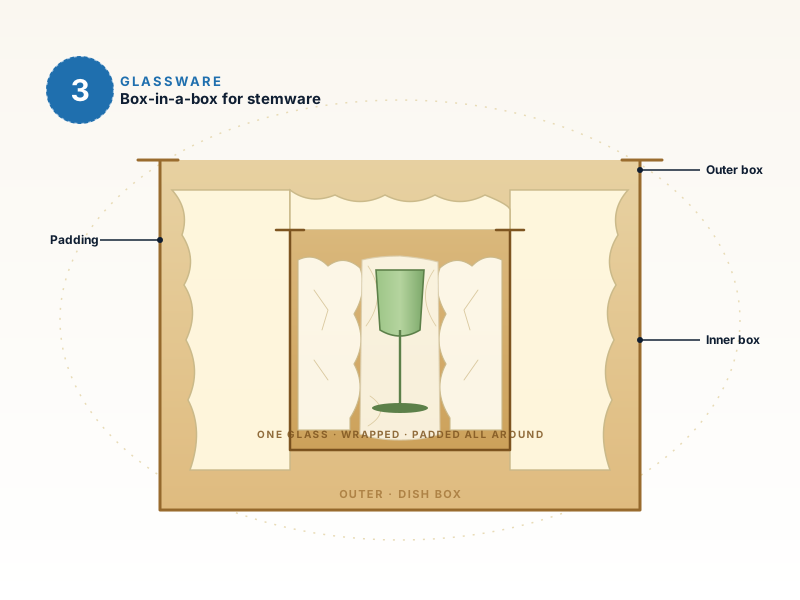
Box-in-a-box for stemware
Wrap each glass individually in paper, then place a single piece upright in a smaller box, padded on all sides. Drop the smaller box inside the dish box and surround it with crumpled paper. Stemware stays upright, period.
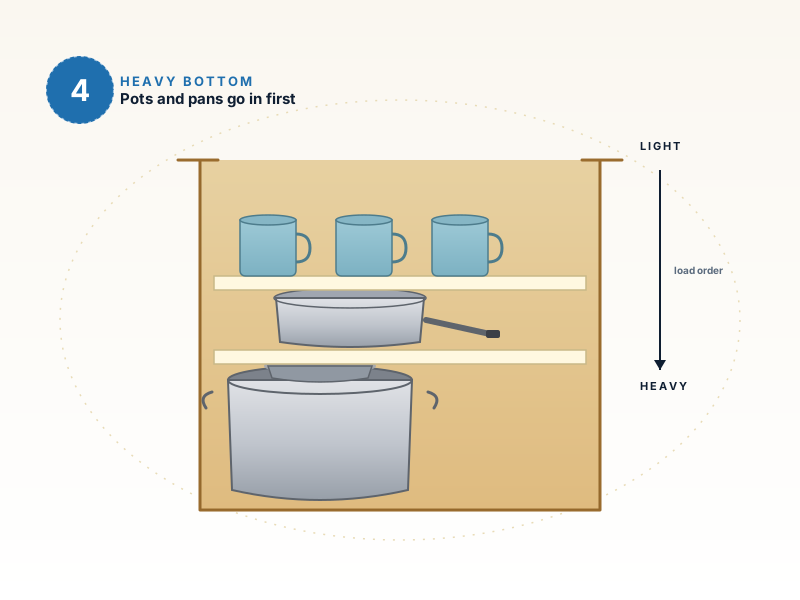
Pots and pans go to the bottom
Pack pots and pans low in the box with a sheet of paper between each so the metal doesn’t scuff. Nest smaller pots inside larger ones to save space, but always pad between them.
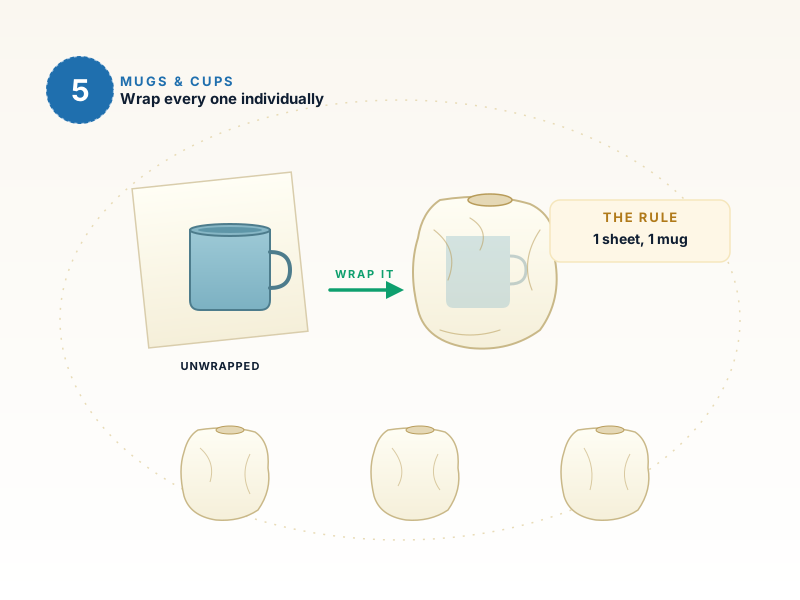
Wrap every mug individually
It’s tempting to stack them in — don’t. Stacked mugs rub their handles against each other for the entire drive, and you’ll arrive with chips. One sheet, one mug, every time.

Paper + bubble between every layer
After every horizontal level — plates, then pots, then glassware — lay another paper-and-bubble buffer. Boxes vibrate constantly in transit; what’s not separated will collide for hours.
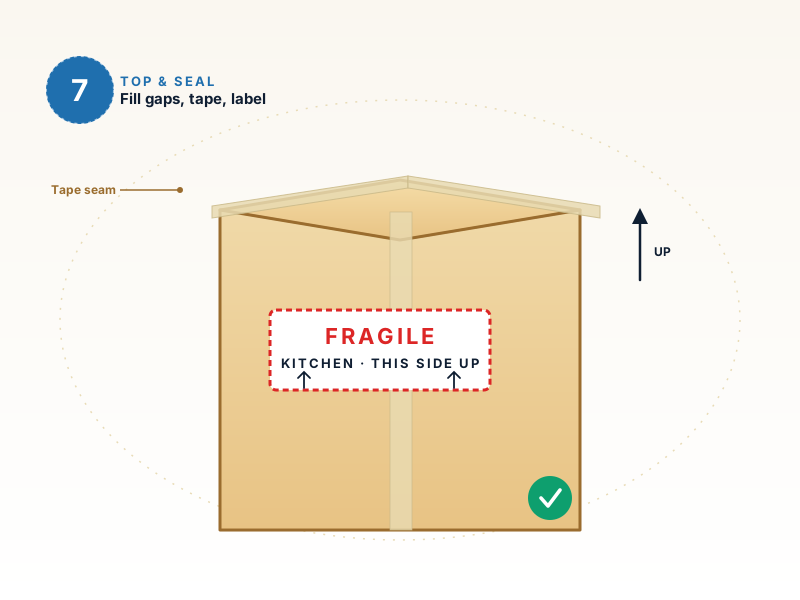
Top off with light items, fill every gap
Fill the remaining space with plasticware, dish towels, or light appliances. Then crumple paper into every visible gap until you can shake the box and hear nothing move. Seal, label “FRAGILE — KITCHEN,” and mark which side is up.
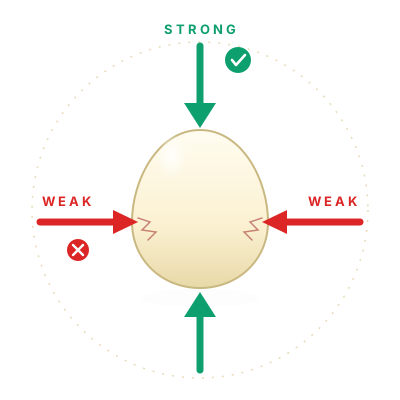
The Egg Theory
Hold an egg in your fist and press on the top and bottom — you can’t break it. Press on the side — it cracks easily. Glassware is the same. Pack from the outside in, never lay stemware on its side, and your fragile items will arrive whole.
The mistakes we see most often
Twenty-three years of moving households — these three account for most of the breakage we’d see if customers packed their own kitchen.
Stacking plates flat
Plates handle pressure on the rim, not the face. Flat-stacked plates crack down the middle when the box gets bumped.
Overpacking the box
Anything over 40 lbs gets dropped. Use a smaller box or move some items to a half-full box nearby.
Skipping the layer paper
Pots resting on plates with no buffer = scuffed china by the time the truck unloads. Buffer every layer, no exceptions.
Want us to handle the packing?
Our crews pack hundreds of kitchens a year. No broken plates, no chipped mugs — guaranteed.